Why New Balance Uses Suede: Comfort, Structure & Style
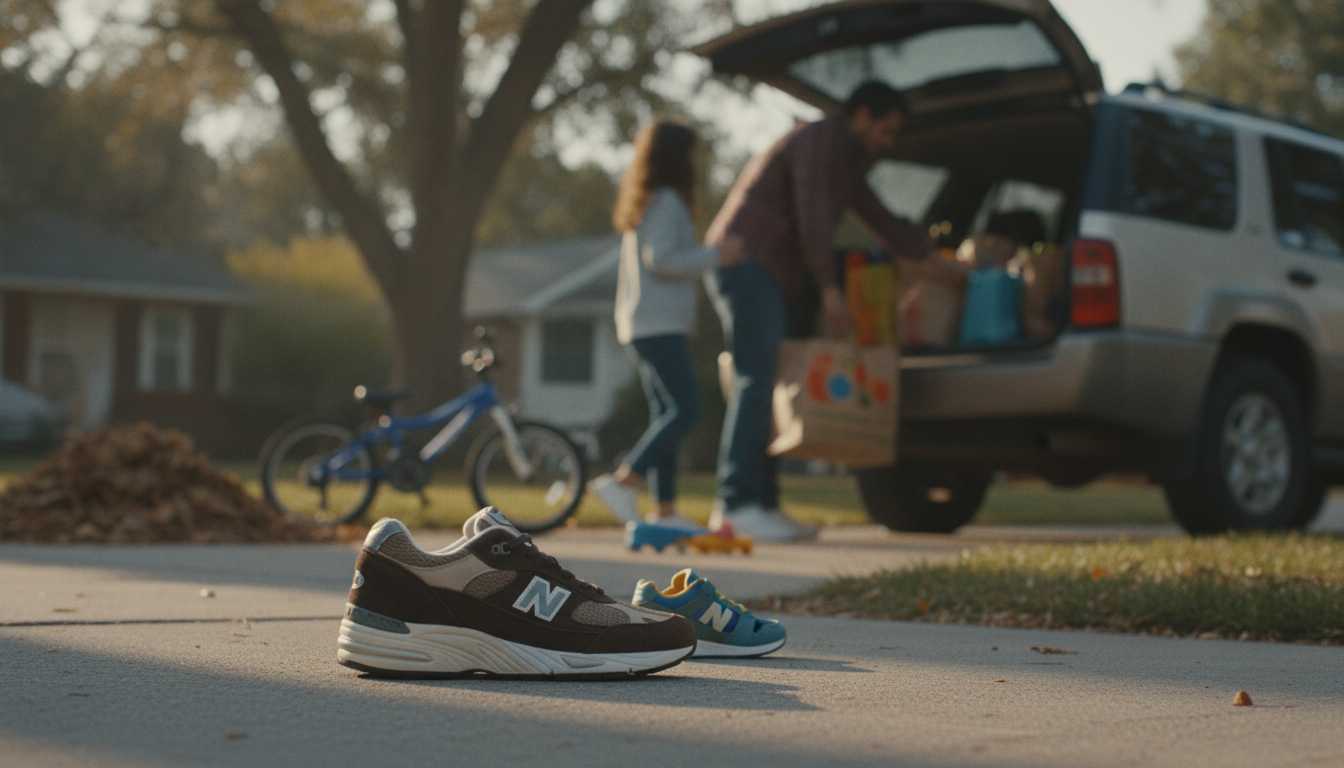
Why does New Balance use suede?
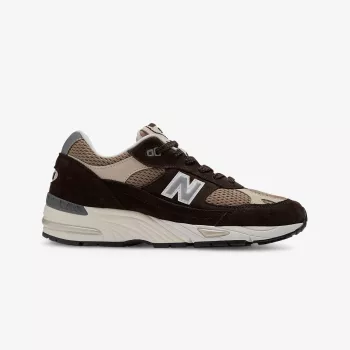
New Balance uses suede because it delivers a hard-to-match mix of comfort, durability, and premium texture—especially on lifestyle runners where materials are a big part of the appeal. Suede has a soft, slightly brushed surface that feels broken-in quickly, yet it can still hold its shape well around the toe and side panels. That balance helps sneakers look refined without feeling stiff on foot.
Another reason is structure. Many New Balance uppers rely on layered panels, and suede works well for overlays that reinforce high-wear zones (like the toe cap and eyestay) without adding the plasticky look some synthetics can bring. Suede also takes dye beautifully, so it supports the brand’s signature earthy neutrals and tonal colorways while still showing depth and dimension.
There’s also the heritage factor. Classic New Balance silhouettes—think retro runners and UK-made styles—are closely associated with suede-and-mesh builds. Using suede helps keep those models authentic to their original design language while still pairing well with modern cushioning and updated fits.
The trade-off is maintenance: suede can spot and darken if it’s exposed to water, oils, or heavy grime. With routine brushing and the right protector spray, though, suede can age gracefully and keep that rich, elevated look. For a deeper look at how suede shows up on specific pairs, plus fit and care details, visit the full guide here: https://blessare.com/guide-new-balance-991v1-brown-suede-fabric-fit-style-care-guide/.
For Why New Balance Uses Suede: Comfort, Structure & Style, the best answer depends on fit, material, care instructions, and how the product will be used day to day.
Checking those details first helps avoid a poor match and keeps the choice practical after delivery.
FAQ
How do you protect suede New Balance shoes?
Use a suede-specific protector spray on clean, dry shoes, then let them cure fully before wearing. Brush regularly with a suede brush to lift the nap and remove dust before it grinds in.








Leave a comment