Podiatrists on New Balance: Support, Fit, Orthotics
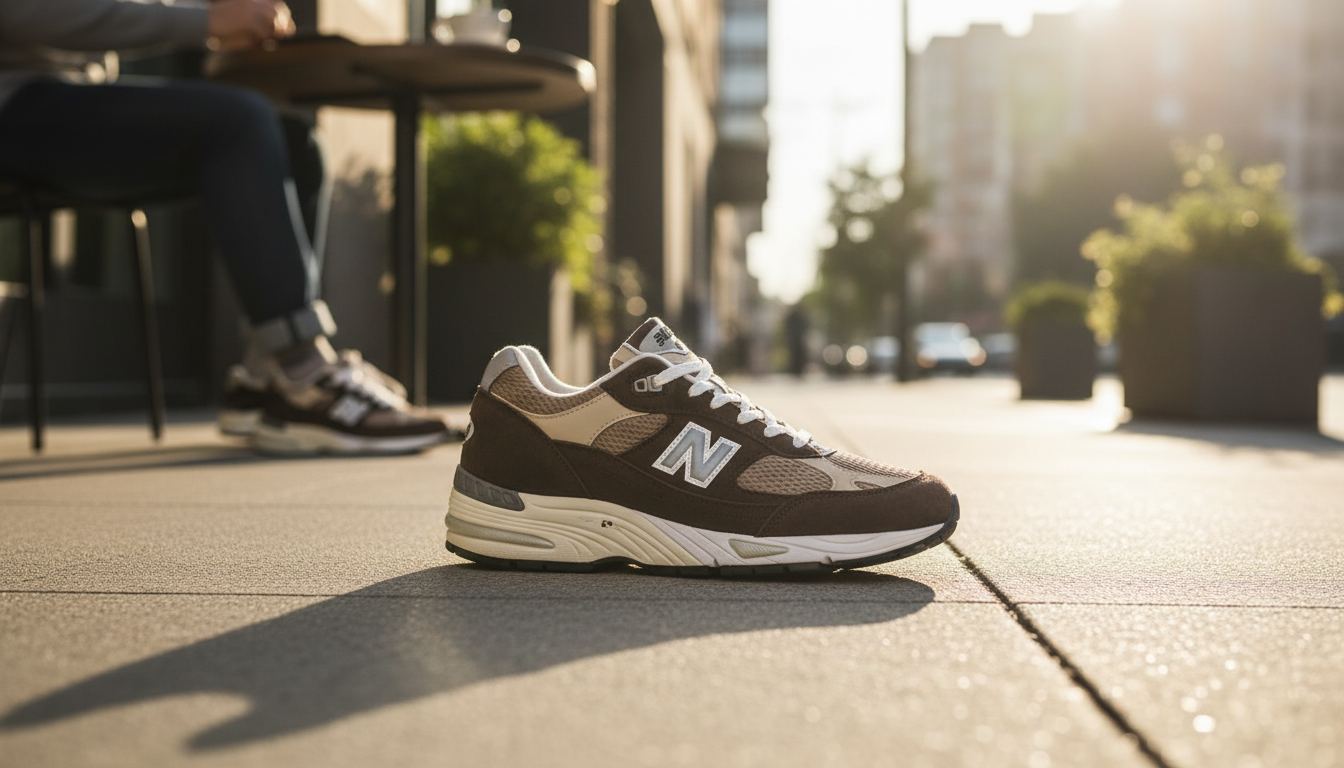
What do podiatrists say about New Balance?
Podiatrists often speak positively about New Balance because many of the brand’s shoes are built around the basics of foot health: supportive midsoles, stable heel structures, and a wide range of widths. In practical terms, that means it’s easier to find a pair that matches your foot shape instead of forcing your foot to adapt to a narrow, unsupportive fit.
One point that commonly comes up in podiatry offices is fit options. New Balance is known for offering multiple widths (including wide and extra-wide in select lines), which can help reduce pressure on the forefoot and accommodate bunions, high insteps, or swelling. Podiatrists also tend to like shoes that feel secure in the heel without pinching in the toe box; many New Balance models aim for that balance.
Support and stability are usually the main reasons
When podiatrists recommend a shoe, they’re typically looking for a stable base rather than a super-flexible sole that collapses under load. New Balance often uses firmer heel counters and structured uppers, which can help control excessive motion and improve overall alignment during walking. For people dealing with plantar fasciitis, flat feet, or overpronation, that stability can be a meaningful comfort upgrade.
Room for orthotics (and real-life comfort)
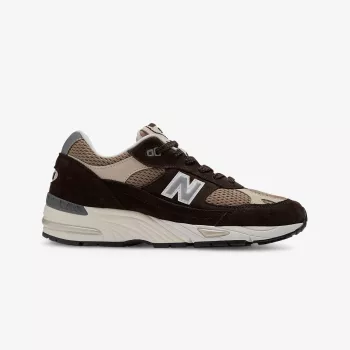
Another reason podiatrists frequently mention New Balance is that many models have removable insoles and enough internal volume to accommodate custom orthotics. That can help someone keep their prescribed support while still wearing a lifestyle sneaker that looks good. If you’re considering a premium pair, the New Balance 991v1 is a style-forward option worth understanding—this guide covers fit, styling, and care details: https://blessare.com/guide-new-balance-991v1-brown-suede-fabric-fit-style-care-guide/.
Important caveat: not every New Balance works for every foot
Podiatrists also stress that brand reputation doesn’t replace proper fit. The best choice depends on arch needs, activity level, and how your foot behaves in motion. Trying shoes later in the day (when feet are slightly larger) and checking heel lockdown, arch feel, and toe room can make a bigger difference than the logo on the tongue.
FAQ
Are New Balance shoes good for plantar fasciitis?
Many people with plantar fasciitis do well in supportive New Balance models, especially those with a stable heel, adequate arch support, and cushioning that doesn’t feel mushy. The best results usually come from choosing the right width and considering an orthotic if recommended.








Leave a comment