New Balance Shoe Fabrics: Mesh, Suede, Leather & More
What fabric are New Balance shoes?
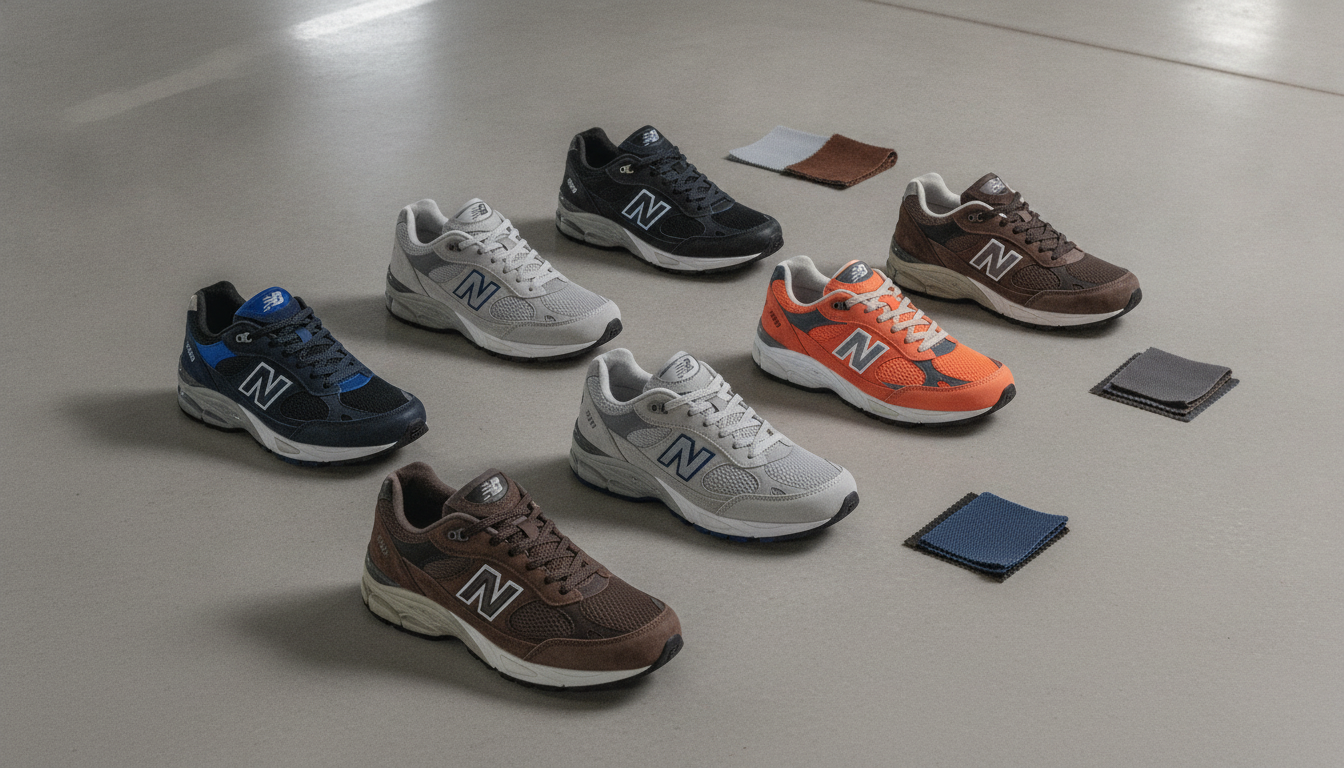
New Balance shoes don’t use one single fabric across every model. Most pairs combine multiple materials—often suede, mesh, and synthetic textiles—chosen to balance breathability, structure, and durability. Many popular lifestyle runners also include leather panels or nubuck, plus foam cushioning and rubber outsoles that aren’t “fabric” but are key to how the shoe feels and wears.
In classic silhouettes, the “fabric” people notice most is usually the upper’s textile layer: breathable mesh (commonly polyester) for airflow, or a denser woven textile for a smoother, more structured look. Overlays are frequently suede or leather to add support and help the shoe hold its shape in high-wear zones.
Common fabrics and materials you’ll see
Mesh textiles: Often used on the toe box and side panels for ventilation. Mesh uppers tend to feel lighter and are popular for everyday comfort.
Suede overlays: Very common on heritage models. Suede adds a premium texture and extra reinforcement, but it needs gentler cleaning and protection from heavy moisture.
Synthetic fabrics: Nylon or polyester blends may appear in liners, tongues, and certain panels, helping reduce weight and improve dry time.
Leather/nubuck: Used for a more polished finish and added structure; these can be easier to wipe clean than suede but still benefit from conditioning and careful drying.
What fabric is used on New Balance 991?
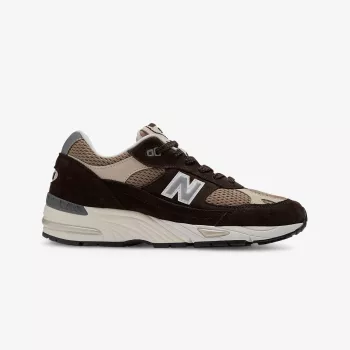
Many New Balance 991 colorways are known for a mix of premium suede and breathable mesh, creating a textured look with supportive overlays. For a closer look at how suede-and-textile uppers behave day to day—plus fit and care tips—see the detailed guide here: New Balance 991v1 Brown Suede Fabric Fit, Style & Care Guide.
How to confirm the exact fabric on your pair
Check the product page materials list, the inside tongue label, or the style’s official description. New Balance frequently updates material mixes by colorway, season, and special edition.
FAQ
How do you clean suede New Balance shoes without ruining the fabric?
Let the suede dry completely, then use a suede brush to lift dirt and restore the nap. For spots, use a suede eraser or a small amount of suede-safe cleaner, avoiding soaking the material.








Leave a comment