Denim Leather Explained: Look, Feel & Uses
What is denim leather?
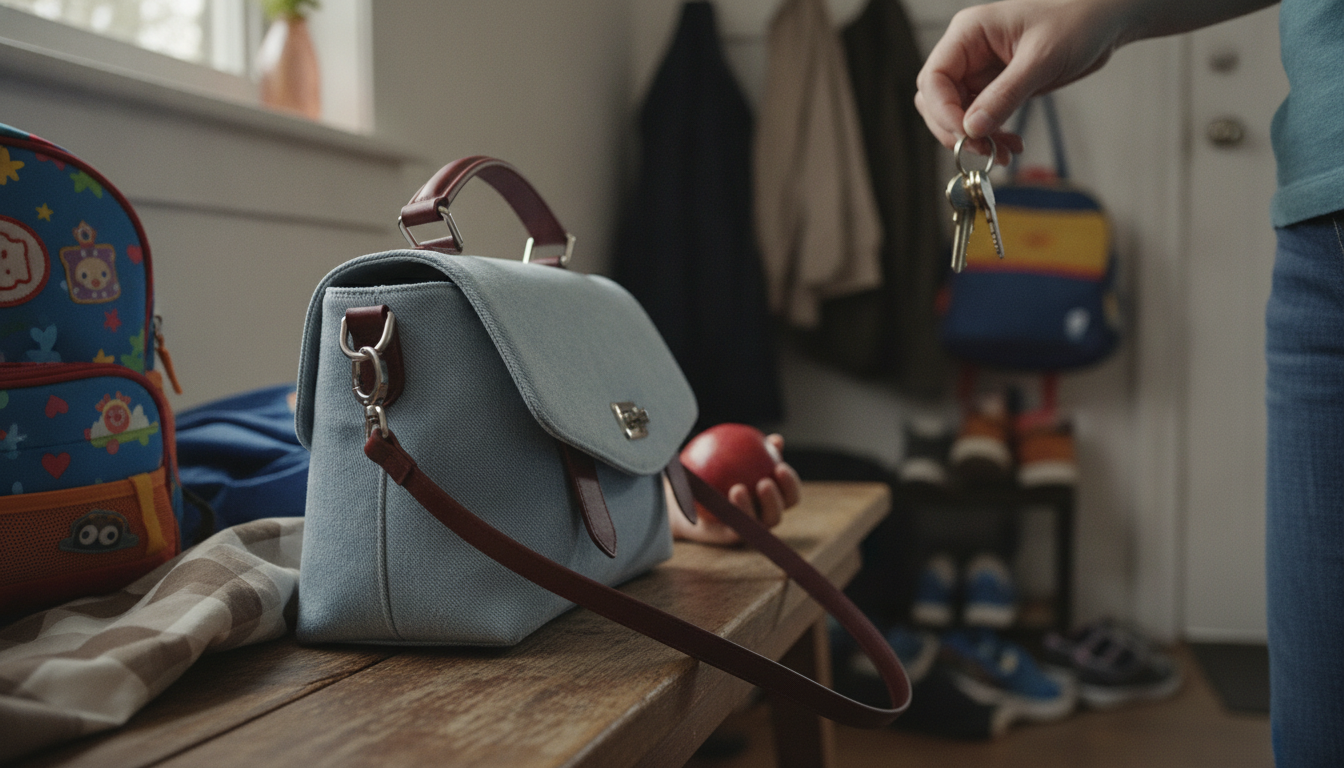
Denim leather is a leather material that’s finished to resemble the look (and sometimes the feel) of denim fabric. Instead of being woven like true denim, it starts as real leather—often cowhide, sheepskin, or goatskin—and is then treated with dyes, prints, embossing, or specialized coatings to create that familiar jean-like appearance. The result is a hybrid style: the durability and structure of leather with the casual, textured vibe associated with denim.
How denim leather is made
Most denim-leather effects come from surface treatments rather than the hide’s natural grain. Common methods include:
- Printed finishes: A denim pattern is printed onto the leather surface for a crisp, consistent look.
- Embossing: Heat and pressure stamp a subtle twill-like texture into the leather to mimic denim weave.
- Layered dyeing and abrasion: Some finishes are built up and lightly distressed to imitate the depth and fade of worn jeans.
What denim leather feels and wears like
Because it’s still leather, it generally holds its shape better than denim fabric and can be more resistant to stretching. The feel depends on the base hide and finish: a soft lambskin version can be supple, while a coated cowhide version may be more structured and slightly slick. Over time, denim leather can develop its own patina, though it won’t “fade” exactly like indigo-dyed denim unless the finish is designed to wear in.
Common uses for denim leather
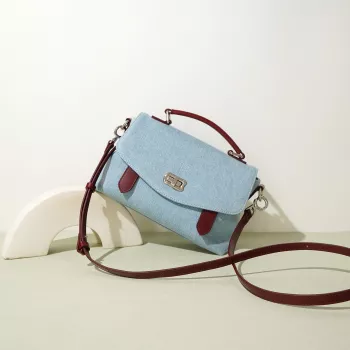
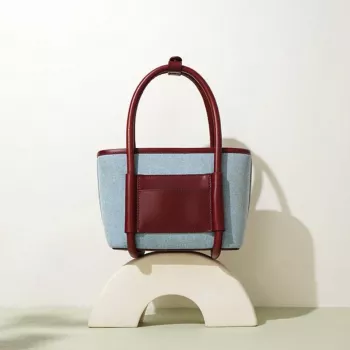
This material is popular in fashion and accessories where a denim aesthetic is desired without sacrificing the elevated look of leather. It’s often used for handbags, wallets, jackets, shoes, and accent panels on garments. It can also appear in interior design details when a casual, modern texture is the goal.
For a deeper look at how it compares to other leather finishes and where it’s most commonly used, visit https://blessare.com/what-is-denim-leather/.
FAQ
How do you clean denim leather?
Wipe it gently with a soft, dry or slightly damp cloth, then let it air-dry away from heat. If it has a printed or coated finish, avoid harsh cleaners and test any leather-safe product on a hidden spot first.







Leave a comment